
Wildlife
Karuk Aboriginal Lands in the Klamath-Siskiyou Ecoregion is a place rich in biodiversity that has faced destructive ecological impacts and coinciding genocide of the Tribal people since European settlers first arrived to the area in the 1850's. They brought with them an invasive seed of greed and "boom and bust" extractive industries such as mining, logging and cattle ranching, which caused the extreme abuse of the ecosystem. Against all odds, armed with the resilience that comes from a deep spiritual connection to this natural landscape, the Karuk people have survived, stayed in place and continue to care for their wounded ancestral homelands.
Vision Statement & Impact
The vision of the KDNR Wildlife Division is to enhance, protect, conserve, and restore the ecological processes that the wildlife depend on in Karuk Aboriginal Lands, to support the physical, cultural, and spiritual well-being of the Karuk community, and to continue this ancestral legacy of nurturing and protecting the traditional relationships of respect and reciprocity with our wildlife family for the future generations to come.
Acres monitored under Indigenous-led management
Remote cameras and 30+ acoustic recorders deployed
Partners collaborating with Karuk scientists
Youth and community participants annually
Featured Projects
Protecting and restoring Karuk homelands means protecting the wildlife that depend on them. These projects highlight ongoing efforts to monitor species, restore habitat, and support traditional ecological practices that sustain balance across the Klamath Basin.
Beaver - Sahpihniich
Beaver presence/absence and habitat condition along the Klamath River mainstream from Iron Gate Dam to Aikens Creek.
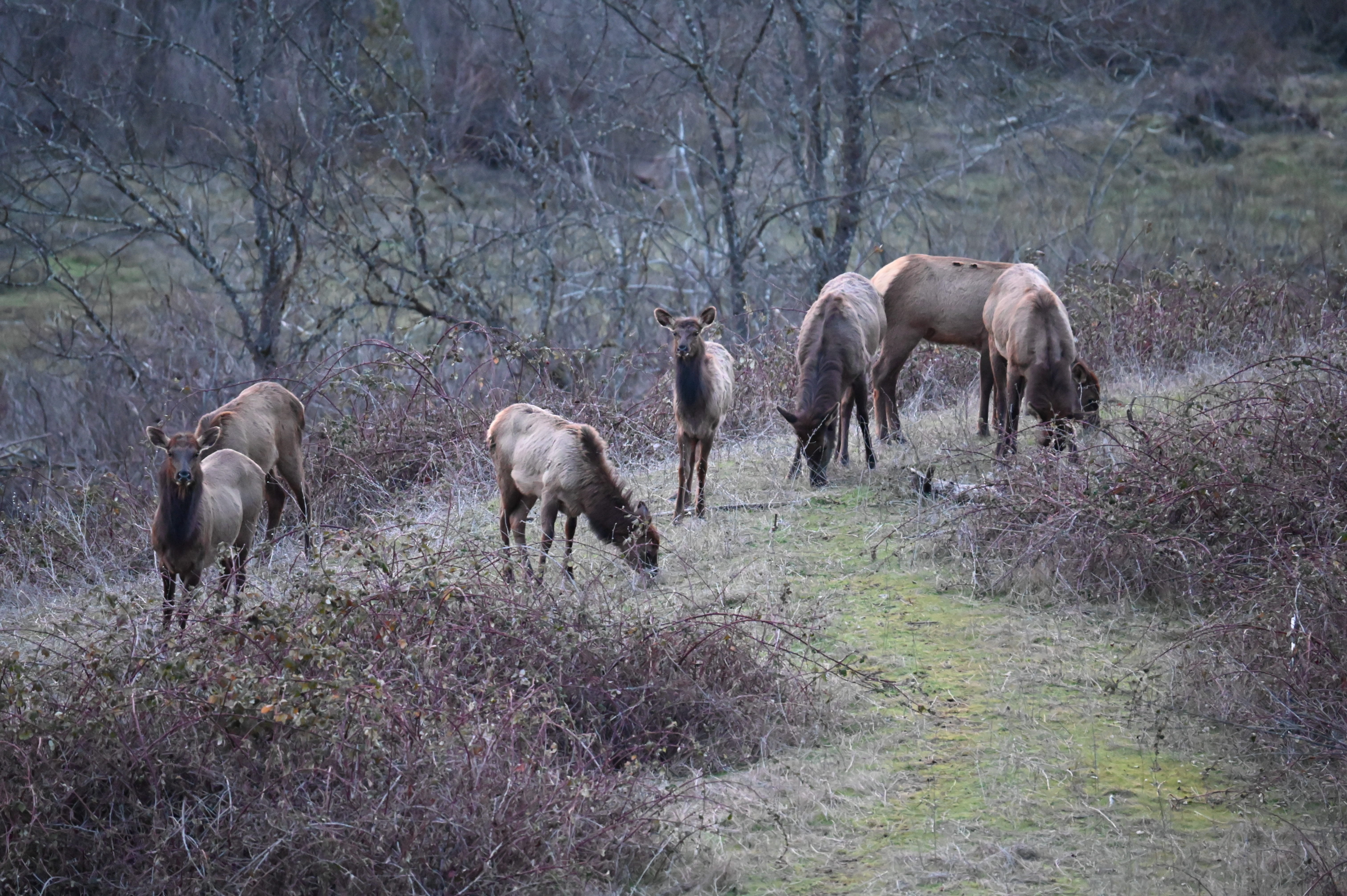
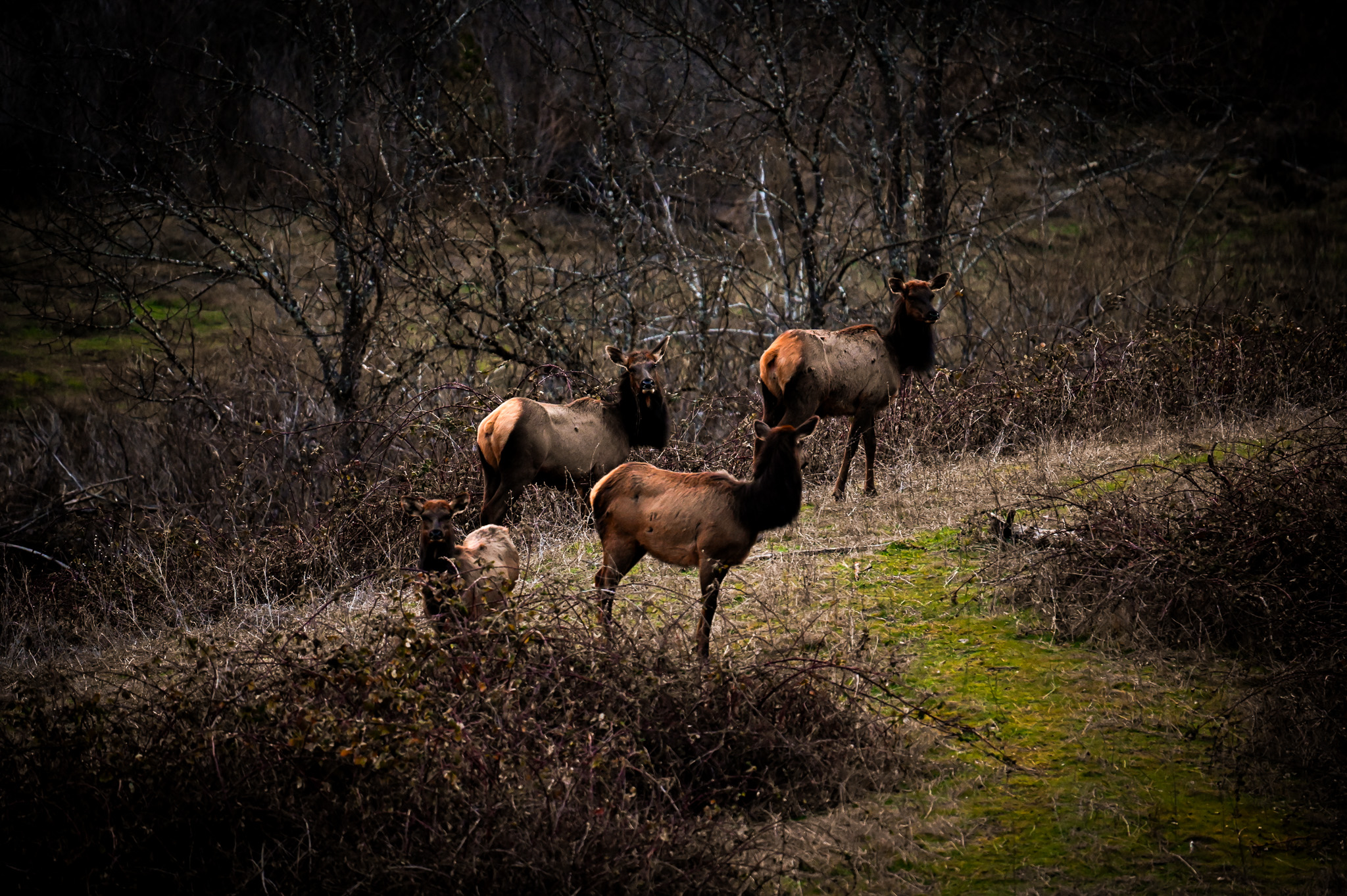
Elk - Ishyuux
Research on population dynamics, movement/migration, and habitat use of elk in Karuk Ancestral Lands.
Upslope Large Mammals - Maakamkuuk
Research, monitoring, and management of deer, elk, bear, and cougar in Karuk Ancestral Lands.
Western Pond Turtle - Asaxvuh
Presence/absence and habitat monitoring for Western Pond Turtle populations.
Pacific Fisher - Tatkunuhpiithvar & Humboldt Marten - Yupiptharish
Research and monitoring of these culturally and ecologically important carnivores.
Bats - Timshukriih
Acoustic recorders monitor bat presence and activity across Karuk territories. The recorders record the ultrasonic calls that bats make, and each species of bat has a unique call similar to bird species. So far, we have detected 12 different species of bat along the river corridor between Orleans and Happy Camp.
Porcupine - Kaschiip
Presence/absence studies and feasibility assessments for porcupine restoration.
Biodiversity Monitoring and Stewardship
Integrated monitoring of wildlife using game cameras (mammals) and acoustic recorders (birds and bats) to assess ecosystem health.
Zoonotic Disease Monitoring
Surveillance for early detection of wildlife diseases to protect ecological and human health.

.jpg)
Story Map
Please join us in collaboration to support the Karuk wildlife program achieve its mission to enhance, protect, conserve, and restore the ecological processes that the wildlife depend on in Karuk Aboriginal Lands, to support the physical, cultural, and spiritual well-being of the Karuk community and to continue this ancestral legacy of nurturing and protecting the traditional relationships of respect and reciprocity with our wildlife family for the future generations to come.
Wildlife Videos
Return the Ishyuux & AI Data Sovereignty
.jpg)
.jpg)
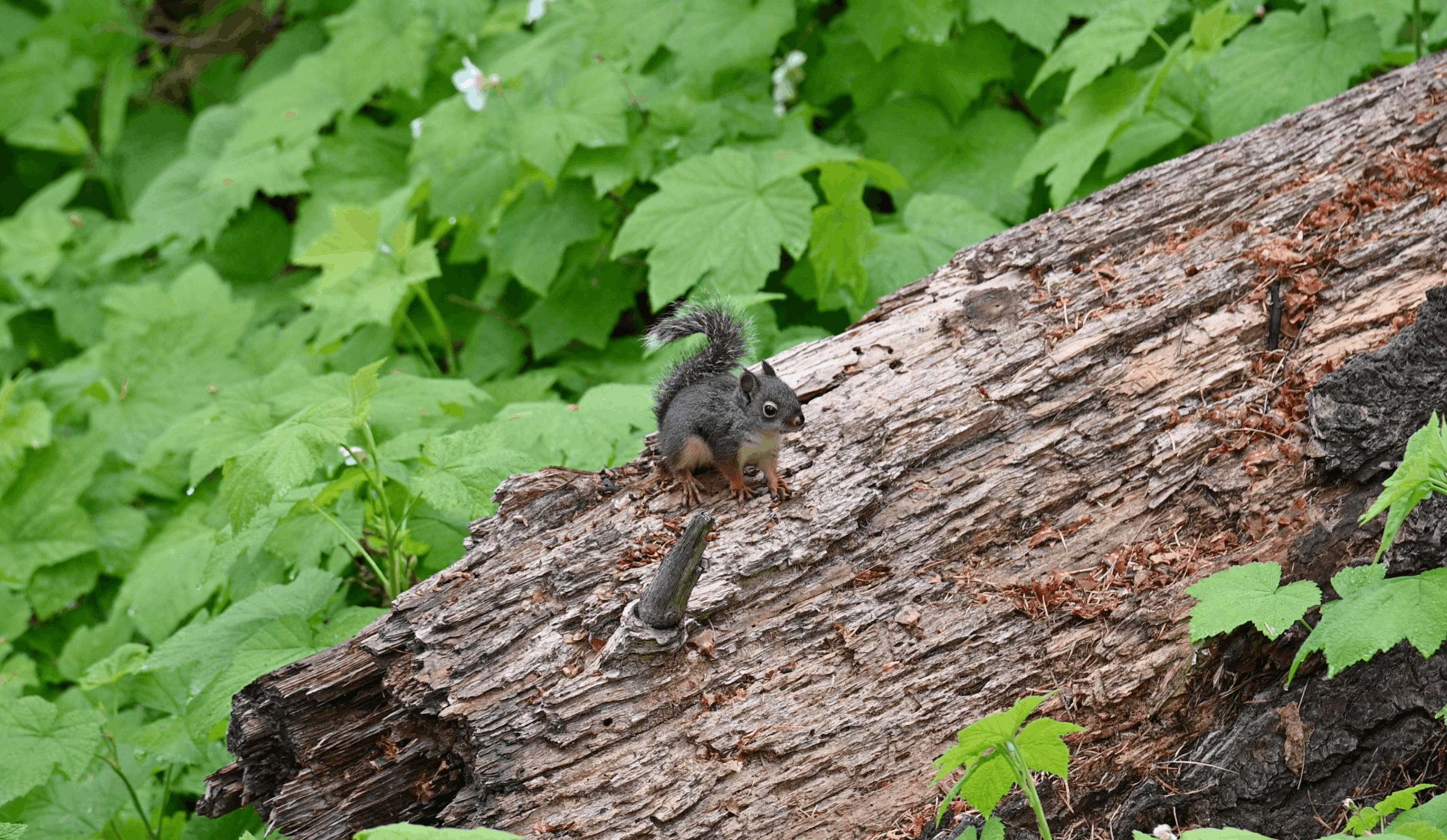
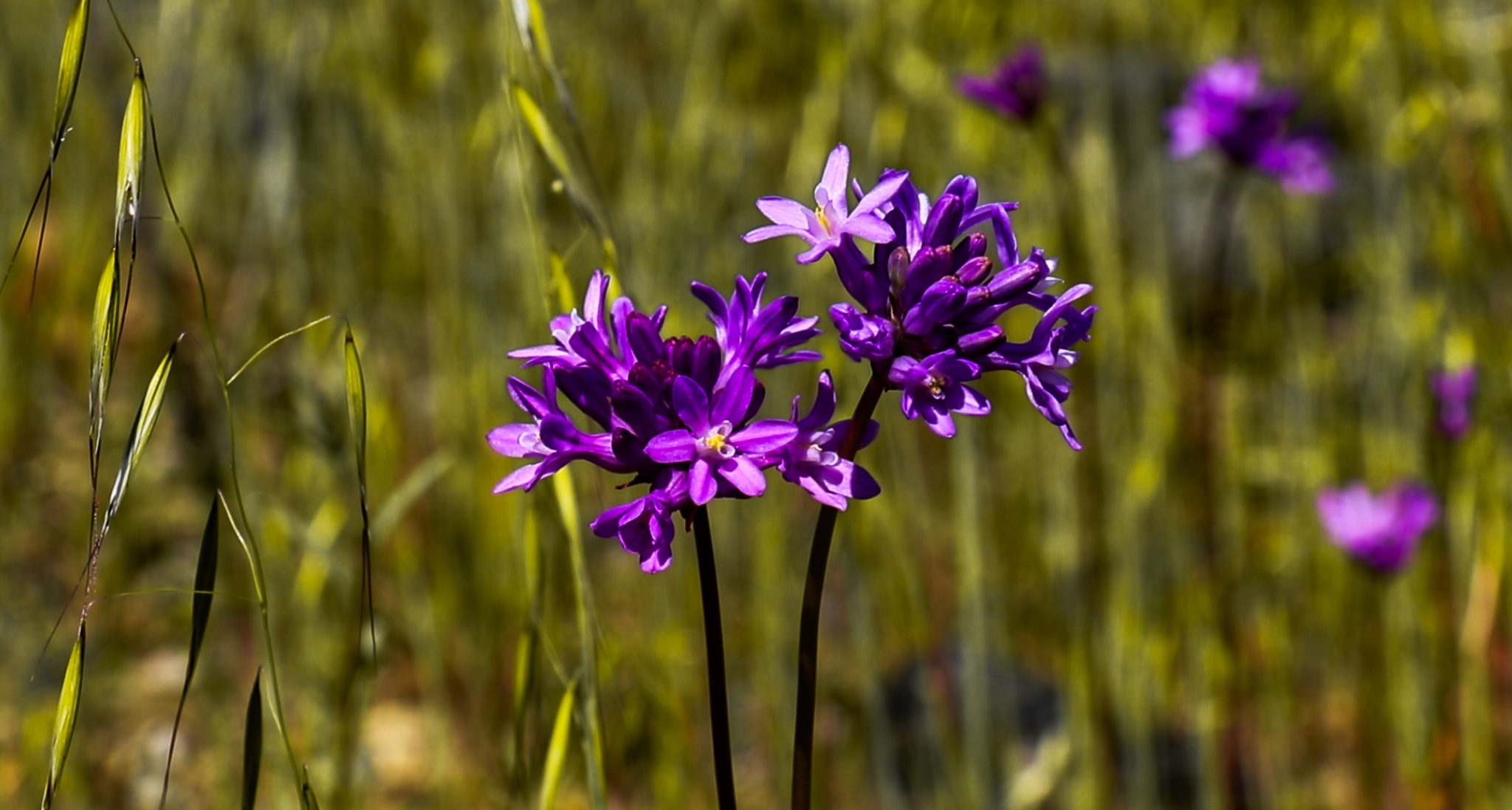
Wildlife Photo Gallery
Lorem ipsum dolor sit amet, consectetur adipiscing elit.
.jpg)
Selected Publications
To learn more, please check out these selected publications.
Indigenous Knowledge and Community‐Derived Counts Produce Robust Wildlife Population Estimates: Roosevelt Elk in Karuk Aboriginal Territory
Karuk Ecological Fire Management Practices Promote Elk Habitat in Northern California
A Spatial, Closed Integrated Population Model to Estimate Wildlife Population Size and Structure
Support Karuk Wildlife Stewardship
Your support helps us protect wildlife and cultural landscapes for future generations. To learn about partnership or supporting our work, contact wildlifeteam@karuk.us.
Community Report Form
We invite community members to share wildlife observations, questions, or concerns by emailing us at wildlifeteam@karuk.us.