
477
Public Law 102-477, the Indian Employment, Training, and Related Services Demonstration Act of 1992 was amended to authorize Indian tribal governments to integrate employment, training, and related services. Under the authority of 102-477, the Karuk Tribe has elected to combine programs from the Bureau of Indian Affairs (BIA), Department of Health and Human Services (HHS) and the Department of Justice (DOJ)
Mission Statement
The Karuk Tribe 477 Department is dedicated to providing employment training, education, and culturally related services to support our community in attaining self-sufficiency and professional development. The Tribe recognizes the barriers and obstacles facing the Tribal community. We will promote and preserve our cultural and traditional heritage by providing emphasis on the importance of traditional tribal values and cultural practices, while also ensuring our members have access to essential services and assistance in their pursuit of self sufficiency.
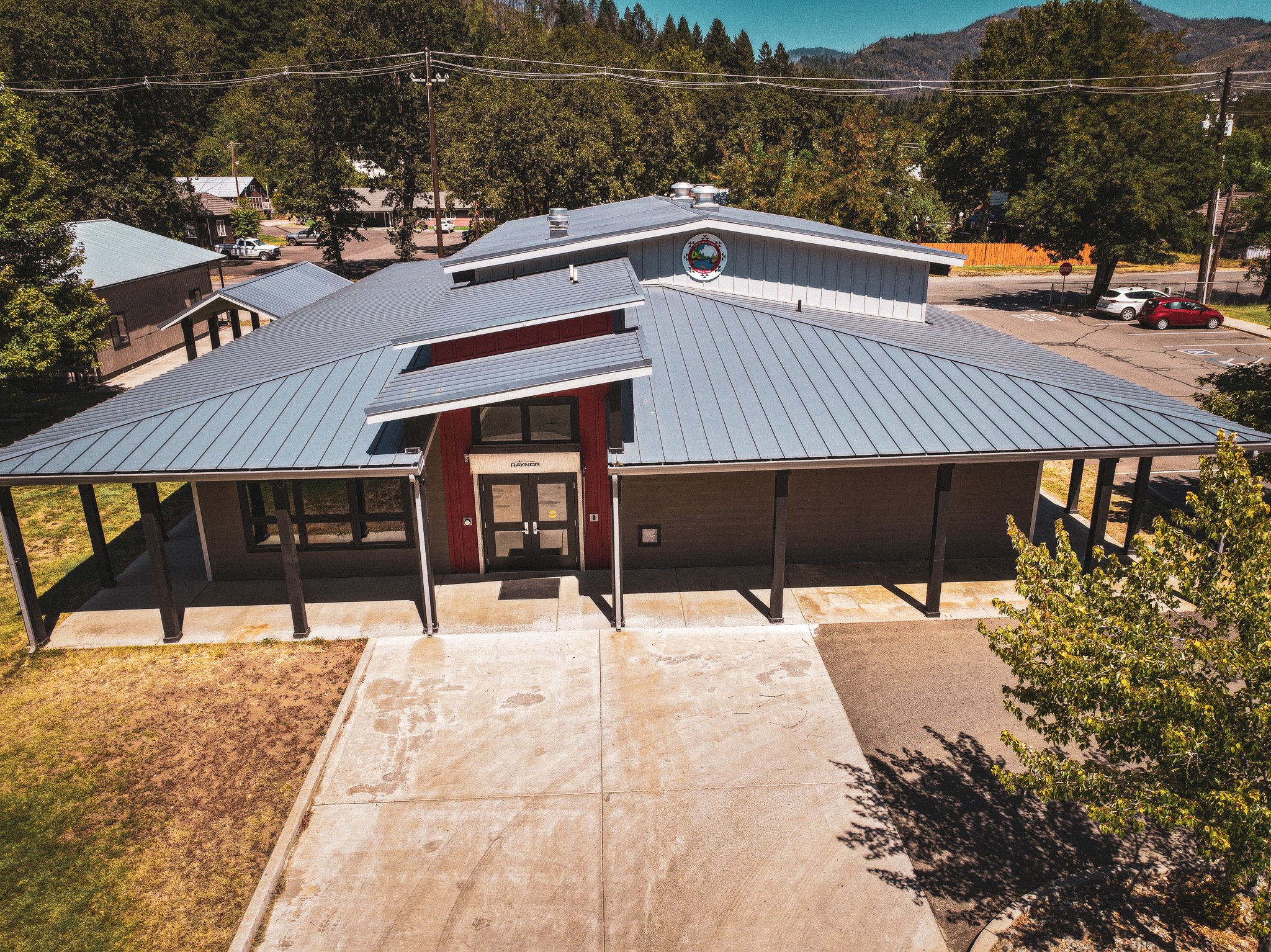
What is 477?
The goal and objective of the 477 program is to provide opportunities for tribal members and offer holistic approaches to address the need for family support, education, support services, and providing culturally sensitive services that encourage our Tribal relatives to be successful and to aid in their efforts towards self-sufficiency.
Purpose
The fundamental purpose of these services is to assist individuals and families by providing integrated employment, training, and related services to improve economic self-sufficiency.
Karuk Tribal Membership
Applicants must provide documentation of current Karuk Tribal membership or eligibility for Karuk Tribal membership. For certain programs, applicants may qualify based on enrollment as a Karuk lineal descendant and lineal descendants of the California Judgement Roll as regulations allow, or member of another federally recognized tribe.
Service Area
Except with respect to TANF, applicants must reside in the Karuk Service area, which includes Siskiyou County (excluding the Quartz Valley Indian reservation) and northeastern Humboldt County. Alternative residency criteria apply to applicants seeking TANF assistance.
Local Intake
Intake and local administration will be managed by tribal 477 staff in each of the three Karuk communities of Happy Camp (known in the native Karuk language as Athithúfvuunupma), Orleans (also known as Panamnik), and Yreka (also known as Kahtishraam).
Bureau of Indian Affairs (BIA)
The Karuk Tribal Council has overall administrative authority for the Karuk Self-Sufficiency Program, or 477 Program. Service administration will be delegated to Tribal Administration through the CEO.
Adult Education
Job readiness, placement services, reentry support, and workforce development partnerships.
Burial Assistance
Allows for payment some assistance towards burial/funeral expenses, which are paid directly to a mortuary.
Emergency Assitance
The Emergency Assistance Program and the LIHEAP (Low Income Heating Energy Assistance Program) assists eligible Tribal Members with Utility Assistance and other eligible emergency needs.
General Assistance
Aims to provide specific, short-term financial assistance for basic essential needs (such as food and shelter).
Higher Education
Higher education scholarships, GED and vocational training and other services.
Job Placement & Training
The Karuk Tribe can assist in pairing you with the right training for your desired career.
Johnson O’Malley
Johnson O'Malley is a federal program whose main objective is to ensure Indian childrenreceive educational opportunities that would not otherwise be provided through the public schoolsystem. JOM is a supplemental program providing special services to Indian students based onthe needs of individual communities.
Department of Health and Human Services (HHS)
Administers health and human service programs that support community wellness, behavioral health, family services, and public health initiatives, with a focus on improving outcomes for Tribal and underserved populations.
Child Care Development Fund (CCDF)
The Office of Child Care is dedicated to enhancing the quality, affordability, and availability of child care for all families. CCDF’s main goal is to assist low income families with child care costs in the form of subsidies.
Head Start
Our main service areas are Happy Camp and Yreka which are located in Siskiyou County, Northern California. We promote school readiness by enhancing social, cognitive, and emotional development. The Head Start program provides a safe and nurturing learning environment that supports growth in areas such as literacy, language, and social development.
Low Income Home Energy Assistance Program (LIHEAP)
LIHEAP is a federally funded program aimed at assisting low-income households that pay a high portion of their income to meet their energy needs. LIHEAP is funded by the U.S. Department of Health and Human Services, Administration for Children and Families, Office of Community Services.
Native Employment Works (NEW)
The purpose of the NEW Program is to provide eligible Indian tribes, including Alaska Native organizations, the opportunity to provide work activities and services to their needy clients.
Department of Justice (DOJ)
Provides legal guidance, law enforcement coordination, and support for public safety, victim services, and justice initiatives, including programs that strengthen Tribal justice systems and uphold federal law.
Department of Justice Adult Re-Entry Program
Re-Entry Program helps tribal members with criminal records overcome barriers to employment.
Department of Justice/The Office of Juvenile Justice and Delinquency
The Office of Juvenile Justice and Delinquency Prevention (OJJDP) sponsors research, programs and training initiatives in an effort to strengthen the juvenile justice system and serve at risk youth and their families.
Events

Department Leadership
477 FAQs
Answers to common questions about our program.
Office Hours
Monday - Friday
8:00 AM - 5:00 PM
Closed for Lunch 12:00 PM - 1:00 PM
Yreka Office
1515 South Oregon St., Suite B
Yreka, CA 96097
(530) 842-4775
Happy Camp Office
64105 Hillside Road
Happy Camp, CA 96039
(530) 493-1440
TANFdistribution@karuk.us for program services inquiries.
The 477 Program gives Tribes greater flexibility to design programs that reflect local priorities, reduce administrative duplication, and improve services for Tribal members.
Eligibility varies by program but generally includes Tribal members and other individuals who qualify under participating federal funding sources.
Services may include employment and training, education support, workforce development, supportive services, and related activities that promote self-sufficiency and community well-being.
Contact Department
Have questions? Reach out to us for more information.